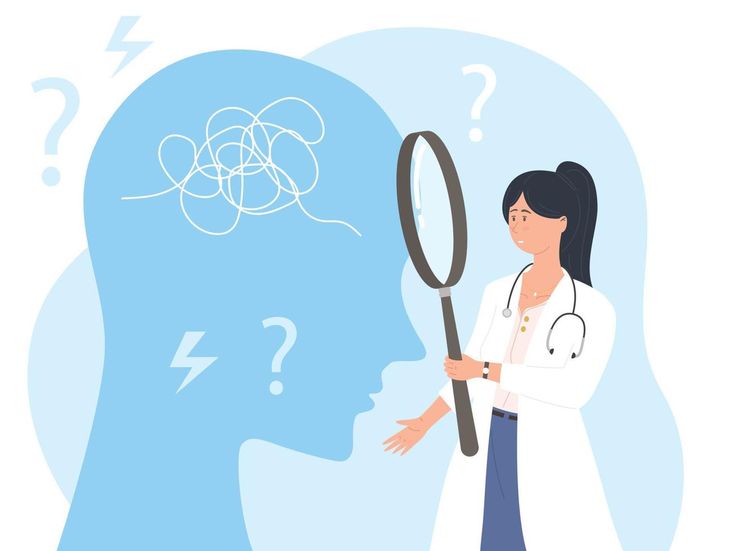
An essential aspect of overall well-being, mental health affects our daily thoughts, feelings, and behaviors. Yet, despite its significance, mental health often remains neglected until symptoms become severe or disruptive. This delay can lead to prolonged suffering and complications that could have been prevented. Mental health screening and early intervention are vital strategies that help identify and address mental health concerns before they escalate, enabling individuals to regain control of their lives with appropriate treatment.
What is Mental Health Screening?
This screening approach actively identifies the first signs of mental health challenges. It involves the use of questionnaires, interviews, and psychological assessments conducted by trained professionals to evaluate an individual’s emotional and psychological state. These screenings assess mood, anxiety levels, behavioral patterns, and cognitive functions to detect potential issues such as depression, anxiety disorders, bipolar disorder, or other psychiatric conditions.
The process is straightforward, non-invasive, and can be conducted in various settings including clinics, hospitals, schools, workplaces, and community centers. For example, consulting with a psychiatrist like Dr. Neha Gupta at Cognivia Psychiatry, Pune, often begins with a comprehensive screening to understand the patient’s mental health status. This helps in creating a clear picture that guides further diagnosis and treatment.
Why Mental Health Screening is Crucial
Many mental health conditions develop gradually and might not be immediately obvious to the individual or their loved ones. This gradual onset makes early detection challenging but incredibly important. Consider these important factors that demonstrate the value of mental health screening:
- Early Detection of Symptoms
This process helps bring to light symptoms that might otherwise be overlooked as normal emotional ups and downs. Detecting these signs early allows for timely evaluation and diagnosis, preventing conditions from worsening. - Reduces the Risk of Severe Complications
Untreated mental health issues can lead to serious consequences including chronic depression, substance abuse, self-harm, or suicidal thoughts. Identifying risks early through screening triggers interventions that can stop complications from arising. - Improves Treatment Outcomes
The earlier treatment begins, the better the chances of full recovery. Early intervention often means less intensive treatment, fewer side effects, and faster symptom relief. - Supports Holistic Well-being
Mental health affects physical health, relationships, and overall quality of life. Addressing mental health concerns early improves daily functioning, productivity, and social connections.
What is Early Intervention?
Early intervention refers to the prompt and effective treatment provided soon after a mental health issue is identified. Once screening highlights a concern, psychiatrists and mental health professionals work to develop a personalized care plan tailored to the patient’s specific needs.
For example, As one of the best psychiatrists in Pune, Dr. Neha Gupta is known for her patient-centered care. She offers a supportive, non-judgmental environment where patients feel safe to explore their thoughts and emotions. This compassionate setting enables individuals to actively participate in their treatment and recovery journey.
Treatment can include various modalities such as:
- Psychotherapy: Approaches like Cognitive Behavioral Therapy (CBT) and Interpersonal Therapy (IPT) help patients develop coping strategies and resolve emotional conflicts.
- Medication: Antidepressants, anxiolytics, or mood stabilizers may be prescribed based on the diagnosis to balance brain chemistry and alleviate symptoms.
- Lifestyle Changes: Proper nutrition, regular sleep, physical activity, and stress management techniques complement clinical treatment and promote mental wellness.
The Role of Family and Community Support
Mental health screening and early intervention are not just individual efforts; they require the involvement of family, friends, and communities. Loved ones play a crucial role in recognizing changes in behavior, encouraging individuals to seek help, and providing ongoing support.
Reducing the stigma surrounding mental illness is another important factor. Many people avoid seeking psychiatric help due to fear of judgment or misunderstanding. Open conversations and education about mental health normalize these experiences and encourage timely action.
How to Easily Access Mental Health Screening and Begin Treatment
If you or a loved one notice persistent feelings of sadness, anxiety, mood swings, withdrawal from social activities, or difficulty coping with everyday stress, it’s important to consider a mental health screening. Reaching out to a qualified psychiatrist like Beginning your mental health journey with Dr. Neha Gupta at Cognivia Psychiatry in Pune can be highly beneficial.
Psychiatry clinics today offer comprehensive services, including:
- Comprehensive mental health assessments
- Individual and group therapy sessions
- Medication management
- Follow-up care and progress monitoring
Telepsychiatry is also becoming an accessible option, allowing patients to connect with psychiatrists remotely, breaking geographical and scheduling barriers.
Long-Term Benefits of Screening and Early Intervention
Early intervention significantly helps in minimizing the likelihood of relapse. Regular monitoring of progress and timely adjustments in treatment ensure sustained mental health stability. This ongoing care promotes emotional resilience, helping individuals better handle future stressors and maintain a balanced life.
Moreover, early intervention can reduce the economic and social burden associated with untreated mental illness, including loss of productivity, increased healthcare costs, and strained relationships.
Summary:
Mental health screening and early intervention are essential pillars in the journey toward emotional well-being and recovery. By identifying mental health issues early and seeking expert care, individuals can prevent the escalation of symptoms and achieve lasting positive outcomes.
If mental health concerns affect you or someone close, make sure to reach out for help without delay. Consult with trusted professionals like Dr. Neha Gupta at Cognivia Psychiatry, Pune — where compassionate, patient-centered care awaits to guide you toward healing and resilience.
Recent Posts
-
 Ignoring Persistent Sadness, Fatigue, and Emotional Withdrawal While Mental Health Symptoms Continue Progressing
 -
 Struggling to Enjoy Life Like Before While Depression Slowly Affects Daily Functioning and Emotional Energy
 -
 Why Smiling in Public Does Not Always Mean Someone Is Emotionally Stable or Mentally Healthy
 -
 Still Feeling Empty, Unmotivated, or Emotionally Numb While Hidden Signs of Depression Continue Going Unnoticed
 -
 Ignoring Long-Term Stress While Sleep Problems, Relationship Issues, and Physical Health Continue Getting Affected