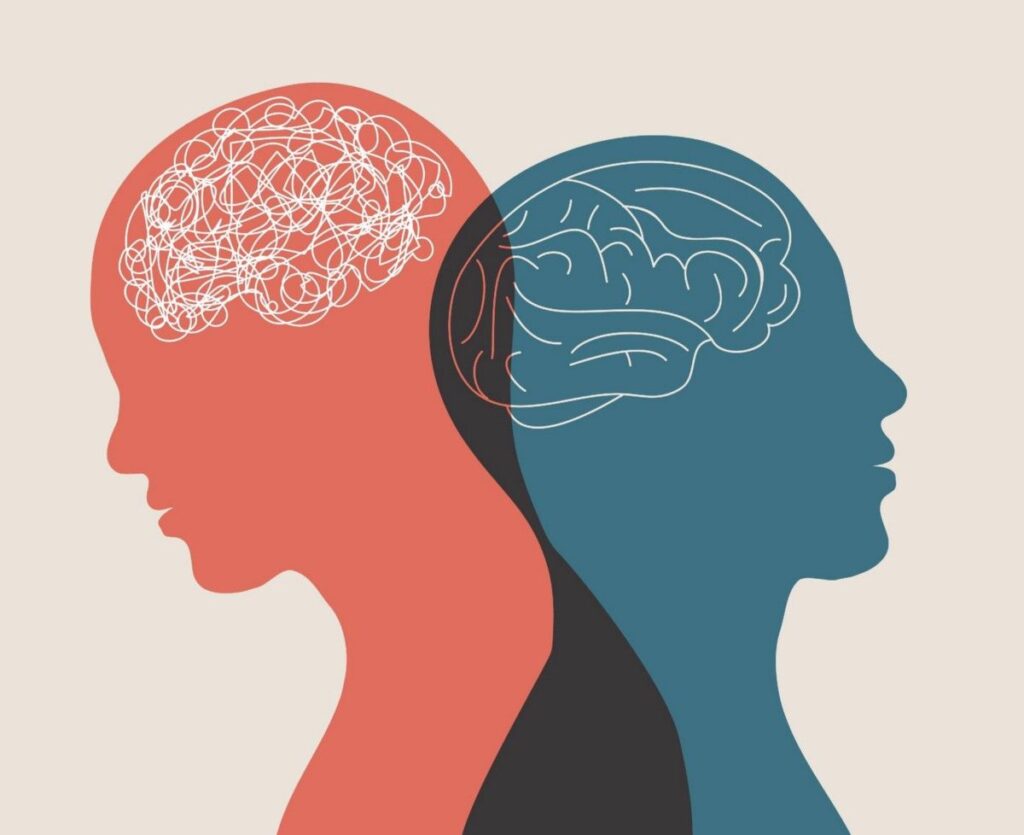
Most people connect “health” with physical fitness – exercise, diet, weight, and disease prevention. However, true well-being encompasses both physical and mental balance. Mental health is as important to a person’s life as physical health because it influences how we think, feel, behave, respond to stress, relate to others, and enjoy life. A healthy body cannot exist apart from a healthy mind, but a healthy mind can uplift and energize every other aspect of physical health.
Today, increasing stress, social pressure, long hours of work, loneliness, and trauma have all combined to increase mental health concerns manifold across all age groups. Recognizing the importance of mental wellbeing and addressing it early can transform one’s quality of life.
How Mental Health Affects Physical Health
The mind and body are profoundly linked. When mental health is neglected, various physical symptoms often show themselves, such as:
- Persistent fatigue and headaches
- Sleep disturbances
- Digestive problems
- Appetite changes
- Immune system weakened
- High blood pressure
- Increased risk of diabetes and heart disease
Similarly, chronic physical illnesses can also spark anxiety, stress, or depression. This shows that both physical and mental health should not be treated separately but together.
Mental Health and Productivity
Good mental health enables better concentration, memory, motivation, decision-making, and discipline. Emotional distress can silently affect:
- Job and academic performance
- Personal goals
- Routine responsibilities
- Creativity and problem-solving ability
Even when symptoms are not visible, emotional problems can severely curtail confidence and everyday functioning.
Mental Health and Relationships
Mental health plays a major role in communication, patience, empathy, and social connection. When a person is emotionally overwhelmed, they may:
- Withdrawal from family and friends
- Lose interest in hobbies and conversations
- Take offense or become oversensitive
- Feel lonely and helpless
- Healthy relationships with others ensue when there is support for mental wellbeing.
- Ability to Cope and Mental Strength
Life has a way of throwing curveballs in the form of failures, loss, heartbreak, financial stress, and disappointments. Strong mental health empowers individuals to cope with unexpected happenings, process emotions, and bounce back without losing confidence or hope. Mental strength does not mean suppressing one’s emotions but understanding it and managing it constructively.
How to Prioritize Mental Wellbeing
Some basic steps toward good mental health include:
- Talking openly about feelings
- Practicing mindfulness, meditation, or journaling
- Maintaining supportive social interactions
- Proper sleep, balanced diet, and regular physical activity
- Limiting excessive caffeine, alcohol, or substance use
- Reaching out to a mental health professional when needed
Just as one visits a doctor when they are physically sick, psychiatric or psychological help is equally important and perfectly normal.
Conclusion
Mental health is interconnected with physical health; it is an essential dimension of the overall wellbeing of a person. The person may be physically strong but the mental turmoil and emotional strife can seriously hamper one’s happiness, productivity, relationship building, and day-to-day functioning. Paying equal attention to mental and physical health enhances the quality of life, resilience, confidence, and long-term happiness. If you or someone you know is struggling emotionally, know that help is available and that the journey toward healing often begins with a simple outreach for help. Dr. Neha Gupta is a Consultant Neuropsychiatrist in Pune and PCMC, committed to helping people overcome various mental health challenges with the help of empathetic and evidence-based care at Cognivia Psychiatry.
Recent Posts
-
 Ignoring Persistent Sadness, Fatigue, and Emotional Withdrawal While Mental Health Symptoms Continue Progressing
 -
 Struggling to Enjoy Life Like Before While Depression Slowly Affects Daily Functioning and Emotional Energy
 -
 Why Smiling in Public Does Not Always Mean Someone Is Emotionally Stable or Mentally Healthy
 -
 Still Feeling Empty, Unmotivated, or Emotionally Numb While Hidden Signs of Depression Continue Going Unnoticed
 -
 Ignoring Long-Term Stress While Sleep Problems, Relationship Issues, and Physical Health Continue Getting Affected