Depression and Post-Traumatic Stress Disorder (PTSD) are two mental health conditions that deeply affect how a person thinks, feels, and interacts with the world. For many individuals, traditional treatments such as antidepressants, psychotherapy, and lifestyle changes offer significant relief. However, a considerable number of people continue to struggle despite trying multiple therapies. This is where Ketamine Therapy is emerging as a promising and innovative option.
Ketamine, once known mainly as an anesthetic, has gained global attention for its rapid and transformative effects on mood and trauma-related symptoms. In recent years, mental health specialists have begun using ketamine in carefully monitored clinical settings to treat severe depression and PTSD—especially in individuals who have not responded well to conventional treatments.
What Makes Ketamine Therapy Different?
Traditional antidepressants often take 4–6 weeks to show noticeable changes, and even then, not everyone responds to them. Ketamine works differently. Studies and clinical experiences have shown that ketamine can produce improvements within hours to days, making it one of the fastest-acting antidepressant interventions available today.
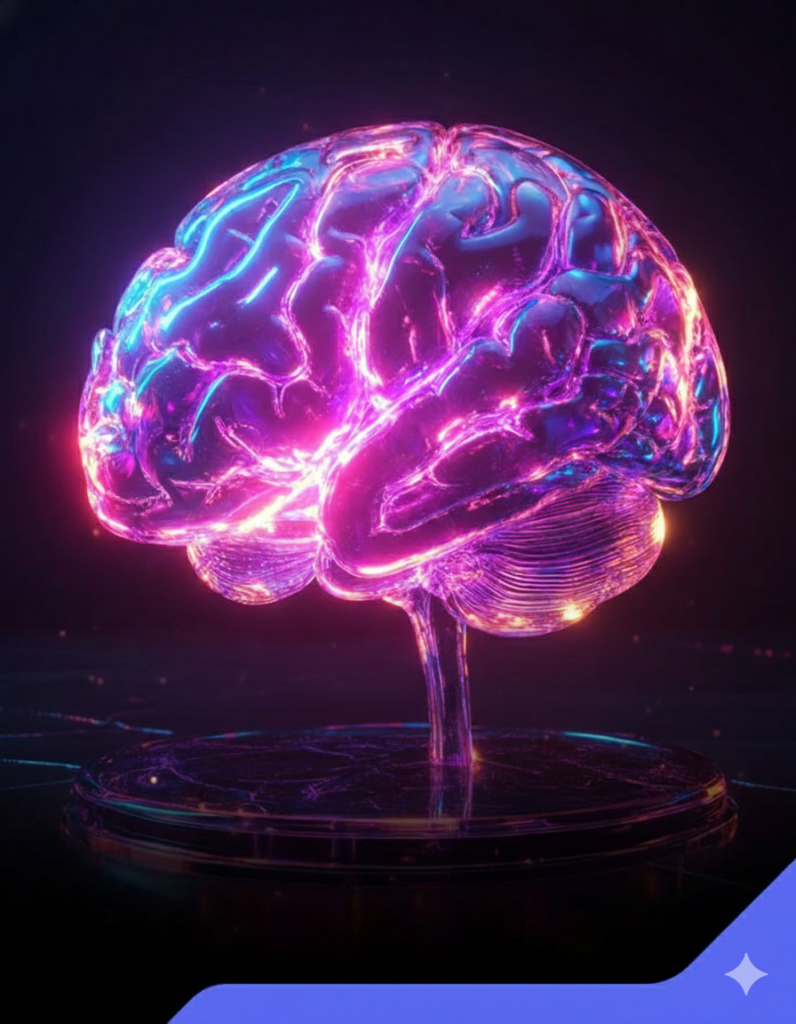
Ketamine works by acting on the glutamate system, particularly the NMDA receptors in the brain. This mechanism helps stimulate new neural connections, improving communication between brain cells. This process, often called synaptic plasticity, plays a crucial role in lifting mood, improving emotional regulation, and reducing trauma-related responses.
Ketamine Therapy for Depression
For individuals battling major depressive disorder or treatment-resistant depression, ketamine can be life-changing. Some key benefits include:
- Rapid Relief from Symptoms
People who have struggled for years with low mood, hopelessness, or a lack of motivation often report improvements within the first few sessions. This rapid response is especially helpful during severe depressive episodes or suicidal thoughts, where timely intervention is critical.
- Helps Create New Thought Patterns
Unlike medications that only manage symptoms, ketamine promotes changes at a neurological level. By enhancing synaptic growth, it allows the brain to form healthier thought pathways, supporting long-term recovery when combined with therapy.
- Works When Other Treatments Fail
Many patients seek ketamine therapy after trying several antidepressants without success. Ketamine may offer hope where other treatments have not.
Ketamine Therapy for PTSD
PTSD can develop after traumatic events such as abuse, accidents, violence, or emotionally overwhelming experiences. The condition often leads to flashbacks, hypervigilance, emotional numbness, sleep disturbances, and difficulty functioning normally.
Ketamine therapy shows significant benefits for PTSD because:
- It Reduces the Brain’s “Threat Response”
PTSD keeps the brain stuck in survival mode. Ketamine helps calm this overactive fear center, allowing individuals to feel more grounded and safe.
- It Allows Trauma Processing
Once the brain becomes less reactive, patients can more effectively work through past traumatic memories. This makes psychotherapy more effective and less emotionally distressing.
- Repairs Neural Pathways Affected by Trauma
Trauma can change the brain’s wiring. Ketamine supports neural repair, helping individuals regain emotional balance and resilience.
How Is Ketamine Therapy Given?
Ketamine therapy is always administered under the supervision of a trained mental health professional or anesthesiologist. Depending on the clinic and medical need, it may be administered as:
- IV Infusion (most common and controlled)
- Intranasal Spray (Esketamine)
- Oral or Sublingual Tablets (used selectively)
Each session typically lasts 40–60 minutes, followed by an observation period. A treatment plan often includes multiple sessions over a few weeks for long-lasting impact.
Is Ketamine Therapy Safe?
When administered professionally, ketamine therapy is considered safe. Some people may experience mild, short-lasting side effects such as:
- Light floating sensation
- Increased sensitivity to light or sound
- Mild dizziness
- Temporary dissociation
These effects usually fade shortly after the session. Patients are monitored throughout to ensure they remain comfortable and safe.
Who Can Benefit from Ketamine Therapy?
Ketamine therapy may be recommended for individuals experiencing:
- Treatment-resistant depression
- Severe major depressive disorder
- Suicidal thoughts
- PTSD
- Anxiety linked with trauma or depression
A detailed psychiatric evaluation is necessary before starting treatment to ensure suitability and safety.
Conclusion
Ketamine therapy represents a major advancement in mental health care, offering renewed hope for individuals battling depression and PTSD—especially when other treatments haven’t been effective. Its rapid action, ability to reshape neural pathways, and potential for long-term improvement make it a valuable option in modern psychiatric practice. When administered by a skilled and compassionate specialist, ketamine therapy can open the door to healing, stability, and emotional resilience.
For expert guidance and personalized psychiatric care, you may consult:
Dr. Neha Gupta (Giri)
Cognivia Psychiatry — Psychiatrist in PCMC and Pune
Address: Unit No 405, 4th Floor, Shree Ganesh Ace Arcade, Above Mahindra Showroom, Opposite Mirchandani Palms, Pimple Saudagar, Rahatani, Pune, Maharashtra 411017
Website: www.drnehagupta.com
Recent Posts
-
 Ignoring Persistent Sadness, Fatigue, and Emotional Withdrawal While Mental Health Symptoms Continue Progressing
 -
 Struggling to Enjoy Life Like Before While Depression Slowly Affects Daily Functioning and Emotional Energy
 -
 Why Smiling in Public Does Not Always Mean Someone Is Emotionally Stable or Mentally Healthy
 -
 Still Feeling Empty, Unmotivated, or Emotionally Numb While Hidden Signs of Depression Continue Going Unnoticed
 -
 Ignoring Long-Term Stress While Sleep Problems, Relationship Issues, and Physical Health Continue Getting Affected