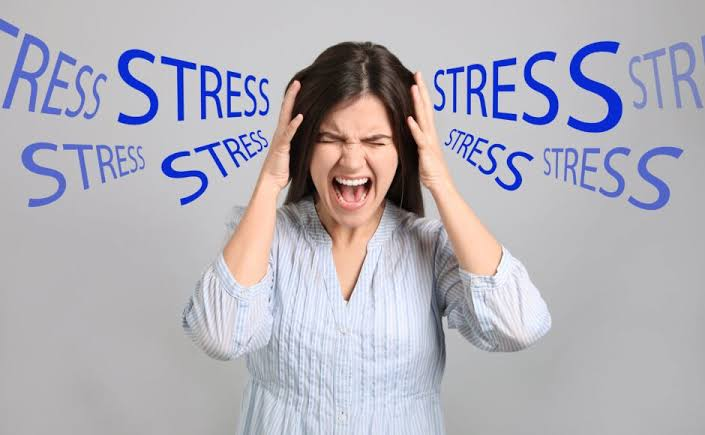
Nikhil thought he was handling stress reasonably well.
Like most working professionals, his days were busy, his responsibilities were increasing, and life constantly felt rushed. He believed feeling mentally tired was simply part of adulthood. Whenever friends asked if he was okay, he casually replied, “Just stressed because of work.”
But gradually, small changes started appearing in his life.
He stopped sleeping peacefully at night. Even after lying in bed for hours, his mind refused to slow down. He became more irritated during conversations, emotionally distant in relationships, and unusually exhausted throughout the day. Some mornings, he woke up feeling tired before the day had even started.
How Chronic Stress Quietly Starts Affecting the Mind and Body
Over time, his body also began reacting.
Frequent headaches became common. His digestion felt disturbed, his chest sometimes felt heavy during stressful situations, and he constantly carried a strange sense of physical fatigue that rest alone could not fix.
Still, he ignored everything.
Like many people today, Nikhil believed stress only becomes serious when life completely falls apart.
What he did not realize was that long-term stress often damages emotional and physical wellbeing quietly, slowly, and continuously long before a person recognizes how deeply it is affecting their life.
Situations like this are becoming increasingly common across modern lifestyles.
Many individuals continue functioning normally on the outside while silently struggling with emotional burnout, anxiety, sleep disturbances, relationship strain, and chronic stress internally for months or even years. Because they continue attending work, handling responsibilities, and appearing socially functional, their emotional exhaustion often remains unnoticed until symptoms become difficult to manage.
Why Modern Lifestyle Pressure Is Increasing Emotional Burnout
Modern life keeps the mind under constant pressure.
Long working hours, financial stress, digital overload, relationship conflicts, emotional suppression, social comparison, family responsibilities, unstable routines, and the pressure to remain constantly productive are gradually affecting mental health across all age groups.
The nervous system cannot remain under continuous emotional pressure indefinitely without consequences.
When stress continues for long periods without proper emotional recovery, it slowly begins affecting sleep quality, emotional stability, physical energy, concentration, patience, hormonal balance, and overall quality of life.
The Hidden Signs of Long-Term Stress Most People Ignore
One of the biggest concerns is that people often normalize chronic stress for too long.
They convince themselves that feeling mentally exhausted, emotionally irritated, physically tired, or constantly restless is simply “normal adult life.” Unfortunately, untreated long-term stress may gradually increase the risk of anxiety disorders, depression, panic attacks, emotional instability, sleep disorders, relationship difficulties, addiction patterns, and stress-related physical health problems.
Sleep is often one of the first things affected by chronic stress.
The mind struggles to relax properly because it remains emotionally alert even during rest. Many individuals experience overthinking late at night, interrupted sleep, early morning waking, emotionally restless sleep, or waking up mentally exhausted despite sleeping for several hours.
Over time, poor sleep further worsens emotional health.
The body and mind both become more vulnerable to irritability, anxiety, fatigue, mood swings, emotional overwhelm, reduced concentration, and physical exhaustion.
How Stress Quietly Starts Affecting Relationships and Emotional Connection
Relationships also become deeply affected when emotional stress remains unresolved for too long.
Many individuals experiencing chronic stress become emotionally distant, impatient, mentally unavailable, or easily irritated during conversations without fully understanding why. Partners and family members may notice emotional withdrawal, reduced communication, frustration, or loss of emotional connection while the person silently continues struggling internally.
Long-term stress also affects physical health more deeply than many people realize.
Persistent stress hormones may contribute to headaches, body pain, digestive discomfort, fatigue, chest heaviness, appetite changes, hormonal imbalance, poor immunity, high blood pressure, and stress-related psychosomatic conditions. In many cases, individuals repeatedly seek treatment for physical symptoms while the underlying emotional stress continues affecting the body silently.
Mental health and physical health are deeply connected.
Emotional wellbeing directly influences how the body functions, heals, rests, and responds to everyday life.
Why Personalized Mental Healthcare and Emotional Support Matter
At Cognivia Psychiatry Official Website, mental healthcare focuses on understanding emotional stress patterns, lifestyle imbalance, sleep disturbances, relationship struggles, anxiety triggers, and psychological overload affecting each individual rather than simply suppressing symptoms temporarily.
Modern psychiatry and therapy today focus heavily on compassionate listening, emotional safety, evidence-based treatment, personalized emotional care, psychotherapy, stress management support, and long-term recovery approaches designed according to each patient’s emotional condition and lifestyle challenges.
Depending on the severity of symptoms, treatment may include psychotherapy, Cognitive Behavioral Therapy (CBT), stress management therapy, emotional counselling, sleep disorder treatment, trauma-focused therapy, relaxation techniques, lifestyle restructuring, or personalized psychiatric care focused on improving emotional balance and overall wellbeing gradually.
Compassionate Emotional Wellness Care at Cognivia Psychiatry
At Cognivia Psychiatry, patients receive compassionate neuropsychiatric and emotional wellness care guided by Dr. Neha Gupta Giri, who has more than 12 years of experience and has treated over 10,000 patients across Pune and PCMC.
Dr. Neha Gupta Giri is known for her calm, emotionally understanding, and personalized treatment approach focused on helping individuals feel emotionally safe, mentally supported, and gradually more balanced during their recovery journey.
For many individuals, recovery begins when they finally stop dismissing stress as “normal” and recognize how deeply their emotional health has been affected internally.
How Recovery from Chronic Stress Helps Restore Emotional Balance
Healing from long-term stress is not simply about taking short breaks occasionally.
It often involves helping the nervous system recover from continuous psychological pressure, improving emotional regulation, restoring healthy sleep patterns, rebuilding emotional connection, improving coping mechanisms, and gradually helping the mind and body feel calmer again.
Ignoring chronic stress for too long may eventually affect far more than temporary comfort alone.
Untreated emotional stress can gradually affect mental wellbeing, physical health, emotional stability, relationships, confidence, concentration, sleep quality, work performance, and overall quality of life. Many individuals later realize that the emotional exhaustion they normalized for years was actually their mind and body asking for help much earlier.
Seeking support for stress-related emotional struggles is not weakness.
Sometimes, it is the beginning of finally feeling mentally and physically healthier again.
Conclusion
Long-term stress should never be repeatedly ignored simply because stress has become common in modern lifestyles. Chronic emotional pressure can gradually affect sleep quality, physical health, emotional wellbeing, relationships, concentration, confidence, and overall quality of life when left untreated for too long.
Modern mental healthcare now focuses heavily on compassionate listening, emotional safety, psychotherapy, stress management, personalized recovery planning, sleep support, trauma-informed care, and long-term emotional wellbeing designed around each individual’s personal struggles and mental health recovery needs.
At Cognivia Psychiatry Official Website, patients receive compassionate neuropsychiatric and emotional wellness care supported by evidence-based psychiatry, personalized counselling, modern therapy approaches, and recovery-focused mental healthcare.
Dr. Neha Gupta Giri
Consultant Neuropsychiatrist
Cognivia Psychiatry
Pimple Saudagar, Pune 411017
Phone Number: +91-9156999844
Website: www.drnehagupta.com
Recent Posts
-
 Why Alcohol and Nicotine Addiction Often Begin as Emotional Escape Mechanisms During Stressful Phases of Life
 -
 Still Confusing ADHD with Poor Discipline While Attention Disorders Continue Impacting Children’s Development
 -
 Why ADHD in Adults Often Goes Unnoticed Until Career, Relationships, and Emotional Stability Start Suffering
 -
 Struggling to Handle Teen Mood Swings and Attention Problems While Emotional Health Continues Getting Affected
 -
 Why Many Intelligent Children Continue Struggling in School Due to Undiagnosed Attention and Focus Disorders