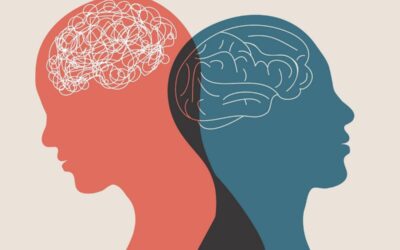
When most people think of anxiety, they picture racing thoughts, nervous energy, or a persistent sense of worry. While these emotional and cognitive symptoms are common, anxiety often goes much deeper — manifesting in the body in ways that are just as real and impactful. For many, the physical symptoms of anxiety can be confusing, distressing, and even misdiagnosed as unrelated medical issues.
Understanding the connection between the mind and body is essential not just for proper diagnosis, but also for effective treatment. Let’s explore how anxiety shows up physically and why recognizing these symptoms is key to healing.
Why the Body Reacts to Anxiety
Anxiety is the body’s natural response to stress or perceived danger. It triggers a physiological chain reaction known as the “fight-or-flight” response. This response evolved to protect us from threats by flooding the body with adrenaline and other stress hormones. While this is helpful in short bursts — like when you need to escape danger — persistent anxiety keeps the body in a constant state of high alert.
This prolonged activation affects major systems in the body, resulting in a variety of physical symptoms that can feel overwhelming and difficult to control.
Common Physical Symptoms of Anxiety
Here are some of the most frequent ways anxiety shows up physically
1. Increased Heart Rate or Palpitations
Many people with anxiety report a pounding heart or fluttering sensations in their chest. This is due to the body pumping more blood in preparation to “fight” or “flee.”
2. Shortness of Breath
Anxiety can cause rapid, shallow breathing or even a sensation of being unable to catch your breath — similar to a panic attack.
3. Muscle Tension and Aches
Chronic anxiety often leads to tight muscles, particularly in the neck, shoulders, and back. This tension can result in ongoing pain or stiffness.
4. Stomach Issues
The gut and brain are closely connected. Anxiety can lead to nausea, cramps, diarrhea, bloating, or what many describe as “butterflies” in the stomach.
5. Sweating and Hot Flashes
Excessive sweating, especially in the palms or underarms, is common during anxious moments. Some may also experience sudden hot or cold flushes.
6. Fatigue
The constant internal stress of anxiety can drain your energy levels. Even after a full night’s sleep, people may still feel exhausted.
7. Dizziness or Lightheadedness
Anxiety-related hyperventilation and adrenaline spikes can make you feel dizzy or faint.
8. Sleep Disturbances
Difficulty falling or staying asleep, or waking up feeling unrested, is often linked to both the mental and physical impacts of anxiety.
The Vicious Cycle: Anxiety and Physical Symptoms
Physical symptoms of anxiety can frequently trigger a self-perpetuating cycle. For instance, feeling short of breath or having chest pain may trigger fears of a serious medical issue like a heart attack. This fear increases anxiety levels, which in turn worsens the physical symptoms — creating a self-perpetuating loop.
Many people visit doctors with complaints like chest pain, headaches, or digestive issues without realizing anxiety is the root cause. While it’s important to rule out physical illness, addressing anxiety is often the missing link.
How to Cope with the Physical Side of Anxiety
Recognizing the physical symptoms of anxiety is the first step. Here are some tools and treatments that can help:
1. Cognitive Behavioral Therapy (CBT)
CBT helps individuals identify and reframe the thoughts that lead to anxious reactions. It also teaches relaxation techniques to manage physical symptoms more effectively.
2. Breathing and Mindfulness Exercises
Simple breathing techniques and grounding practices can reduce the intensity of physical responses during high-anxiety moments.
3. Physical Activity
Regular exercise helps burn off excess stress hormones and promotes the release of endorphins, which naturally improve mood.
4. Lifestyle Adjustments
Limiting caffeine, getting quality sleep, and maintaining a balanced diet can support overall mental and physical health.
5. Professional Support
If anxiety symptoms are interfering with your daily life, it’s time to seek help from a mental health professional. Treatment plans may include therapy, medication, or a combination of both.
Summary
Anxiety is not just a mental or emotional experience — it can take a serious toll on your physical well-being. From heart palpitations to chronic fatigue, these symptoms are very real and deserve attention. By understanding the mind-body connection and learning how to manage the physical signs of anxiety, individuals can take meaningful steps toward better mental health.
If you or someone you know is experiencing unexplained physical symptoms that may be related to anxiety, don’t ignore the signs.
At Cognivia Psychiatry, Dr. Neha Gupta an experienced psychiatrist based in Pune and PCMC offers compassionate, personalized care to help you understand and manage both the mental and physical effects of anxiety. Our goal is to support your full well-being — mind and body. Contact us today to begin your journey toward lasting peace and health.
Recent Posts
-
 Why Alcohol and Nicotine Addiction Often Begin as Emotional Escape Mechanisms During Stressful Phases of Life
 -
 Still Confusing ADHD with Poor Discipline While Attention Disorders Continue Impacting Children’s Development
 -
 Why ADHD in Adults Often Goes Unnoticed Until Career, Relationships, and Emotional Stability Start Suffering
 -
 Struggling to Handle Teen Mood Swings and Attention Problems While Emotional Health Continues Getting Affected
 -
 Why Many Intelligent Children Continue Struggling in School Due to Undiagnosed Attention and Focus Disorders