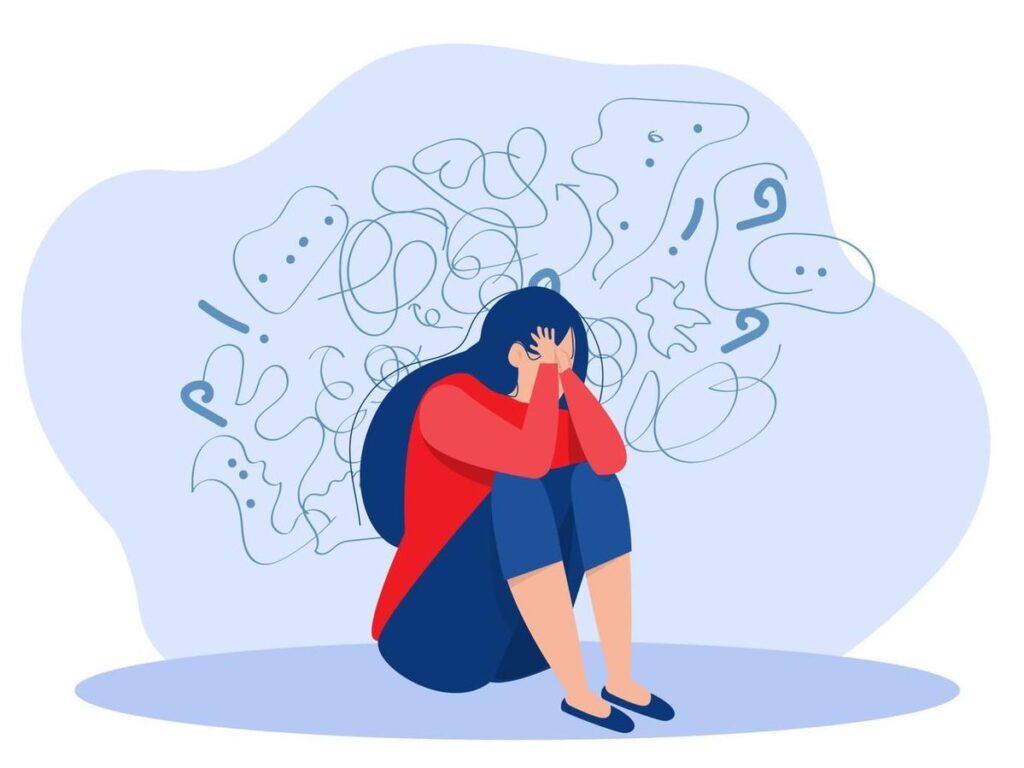
Mental health plays a vital role in how we think, feel, behave, interact with others, and cope with stress. Like physical illnesses, mental illnesses often begin gradually — first appearing in subtle emotional, behavioral, or physical disturbances. Unfortunately, many people ignore these early signs, believing they are just “stress” or “a passing phase.” If left untreated, mental illness can worsen and significantly affect a person’s relationships, career, social life, physical health, and overall happiness.
Recognizing early signs of mental illness can bring timely help, prevent deterioration, and increase the chances of recovery. Understanding mental health symptoms is essential not only for individuals who might be struggling but also for families and friends who want to support their loved ones effectively and with compassion.
Why Noticing Early Symptoms Matters
Mental illnesses rarely appear all of a sudden. Disorders like depression, anxiety, bipolar disorder, OCD, schizophrenia, and trauma-related conditions usually begin with subtle symptoms. Detecting them early ensures:
- Faster and more effective treatment
- Reduced risk of self-harm or substance abuse
- Emotional healing before symptoms escalate
- Better functioning at work and in relationships
- Improved long-term wellbeing
Awareness and timely professional help can make recovery smoother and prevent long-term complications.
Common Early Signs of Mental Illness
1. Persistent Mood Changes
Ongoing sadness, irritability, emotional numbness, or mood swings that last for weeks instead of days can indicate deeper psychological concerns.
2. Social Withdrawal
Avoiding interactions with friends, family, or previously enjoyed activities is often an early sign of emotional distress or depression.
3. Sleep Disturbances
Sleep and mental health are closely connected. Difficulty sleeping, oversleeping, nightmares, or disrupted sleep patterns may signal anxiety, depression, or other psychiatric concerns.
4. Loss of Interest and Motivation
A sudden decline in interest in hobbies, personal goals, and daily activities — accompanied by fatigue or emptiness — can be an early indicator of depression.
5. Difficulty Concentrating
Forgetfulness, lack of focus, mental confusion, and slow decision-making may appear in anxiety disorders, trauma responses, depression, and ADHD.
6. Physical Symptoms Without Medical Cause
Mental distress often shows up in the body, leading to:
- Headaches
- Stomach discomfort
- Muscle tension
- Fatigue
- Palpitations
If physical evaluation shows no clear cause, emotional or psychological factors could be involved.
7. Excessive Worry or Fear
Overthinking, constant fear of the worst, panic attacks, or irrational worries indicate underlying anxiety concerns.
8. Changes in Eating Habits
Sudden overeating, lack of appetite, emotional eating, or significant weight changes should not be ignored.
9. Risky or Self-Destructive Behavior
Using alcohol or drugs to cope, reckless activities, gambling, or unsafe social behavior may be signs of emotional suffering or trauma.
10. Thoughts of Hopelessness or Self-Harm
Feeling like life has no purpose, losing interest in living, or expressing self-harming thoughts require immediate professional support.
How Family and Friends Can Support
If you notice symptoms in someone, respond with empathy and care:
- Listen without judgement
- Encourage expressing emotions
- Avoid dismissive statements like “just be positive”
- Gently suggest professional help
- Remain patient — healing takes time
Support doesn’t mean fixing someone’s problems — it means helping them feel seen, safe, and understood.
When to Seek Professional Help
If symptoms persist for more than two to three weeks, cause distress, or interfere with daily functioning, consulting a mental health professional is recommended. Therapy, counseling, lifestyle changes, and medication (when needed) can improve symptoms significantly.
People should not wait for a breaking point before seeking help — early intervention prevents long-term suffering.
Conclusion
Mental illness can affect anyone — regardless of age, gender, profession, or background. Recognizing early signs such as mood changes, social withdrawal, sleep disruptions, constant fear, loss of interest, or unexplained physical symptoms is the first step toward emotional healing. Mental illness is not a weakness, failure, or character flaw — it is a medical condition that requires understanding and care.
By seeking timely support, people can regain emotional balance, improve relationships, and restore overall quality of life.
Dr. Neha Gupta, Consultant Neuropsychiatrist in Pune & PCMC at Cognivia Psychiatry, is committed to providing compassionate and research-based mental health care to help individuals feel stronger, stable, and hopeful again.
Recent Posts
-
 Why Alcohol and Nicotine Addiction Often Begin as Emotional Escape Mechanisms During Stressful Phases of Life
 -
 Still Confusing ADHD with Poor Discipline While Attention Disorders Continue Impacting Children’s Development
 -
 Why ADHD in Adults Often Goes Unnoticed Until Career, Relationships, and Emotional Stability Start Suffering
 -
 Struggling to Handle Teen Mood Swings and Attention Problems While Emotional Health Continues Getting Affected
 -
 Why Many Intelligent Children Continue Struggling in School Due to Undiagnosed Attention and Focus Disorders