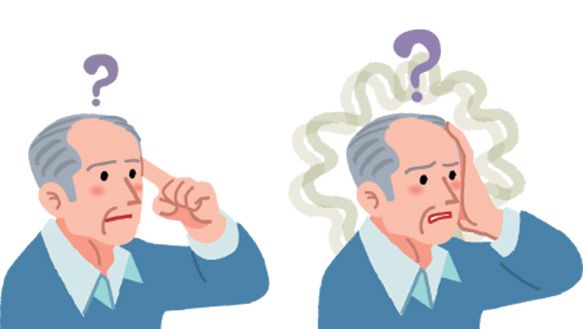
It’s common for older adults to forget names, misplace items, or occasionally struggle to find the right word. While mild forgetfulness is often a normal part of aging, it can sometimes be a sign of something more serious. The key lies in understanding the difference between typical age-related memory changes and signs of cognitive impairment or dementia.
In this blog, we’ll explore when memory loss is normal, when it’s a concern, and how timely psychiatric care can make a difference.
What’s Normal Memory Loss?
As we age, changes occur in all parts of the body, including the brain. Some slowing down of cognitive function is expected, and this may include:
- Occasionally forgetting where you placed items
- Trouble recalling a word but remembering it later
- Becoming slower at multitasking
- Needing more time to learn new things
These changes are often not disruptive to daily life. In fact, many older adults remain sharp and mentally active well into their senior years, especially when they stay socially and intellectually engaged.
Signs It Might Be More Than Normal Aging
Memory loss becomes concerning when it starts affecting a person’s ability to perform daily activities or manage responsibilities. Warning signs include:
- Forgetting important dates or events repeatedly
- Asking for the same information again and again
- Difficulty completing familiar tasks (e.g., cooking or using a phone)
- Getting lost in familiar places
- Personality or mood changes, confusion, or poor judgment
- Trouble handling finances or keeping up with household tasks
These symptoms could indicate a more serious cognitive disorder such as mild cognitive impairment (MCI) or dementia, including Alzheimer’s disease.
Common Causes of Memory Loss in the Elderly
Memory problems can be caused by a variety of factors. While some are related to neurodegenerative diseases, others are reversible:
- Dementia & Alzheimer’s Disease – Progressive conditions that worsen over time and impact thinking, memory, and behavior.
- Depression & Anxiety – Often misdiagnosed in the elderly, these can impair concentration and mimic memory loss.
- Medication Side Effects – Some drugs, particularly those for sleep, anxiety, or blood pressure, can affect memory.
- Vitamin Deficiencies – Lack of B12, for example, may lead to confusion or forgetfulness.
- Thyroid Issues – Both overactive and underactive thyroid glands can cause memory disturbances.
- Head Injuries – Falls in the elderly can sometimes result in unnoticed trauma that impacts brain function.
Identifying the correct cause is crucial for developing the right treatment plan.
Diagnosis and Evaluation
If you or your loved one is experiencing worrisome memory changes, consulting a qualified psychiatrist or neurologist is important. At Cognivia Psychiatry, we use comprehensive tools like:
- Detailed history and cognitive screening
- Memory assessment tests
- Mood and mental health evaluations
- Neuroimaging (if needed) to rule out structural changes in the brain
Early diagnosis improves outcomes and gives families time to plan care, provide support, and maintain quality of life.
Managing Memory Loss: What Can Help?
Although some causes of memory loss are progressive, early intervention can slow down the decline and support mental function. A few key strategies include:
- Cognitive therapy and memory exercises
- Medication for Alzheimer’s or depression (when appropriate)
- Lifestyle changes like balanced nutrition, regular sleep, and physical activity
- Stress management and social engagement
- Family counseling to equip caregivers with coping tools
Dr. Neha Gupta takes a holistic, compassionate approach, understanding that each individual and their family requires a customized care plan.
Conclusion
Dr. Neha Gupta, Consultant Neuropsychiatrist in Pune and PCMC, specializes in managing neurocognitive disorders, memory decline, geriatric psychiatry, and mood-related conditions in the elderly. With over 12 years of experience, she combines clinical expertise with a compassionate outlook to help seniors live with dignity and mental clarity.
If you or a loved one is facing unexplained memory loss, don’t wait for symptoms to worsen. Early support can make all the difference. Reach out to Cognivia Psychiatry to begin the journey toward better brain health today.
Recent Posts
-
 Why Alcohol and Nicotine Addiction Often Begin as Emotional Escape Mechanisms During Stressful Phases of Life
 -
 Still Confusing ADHD with Poor Discipline While Attention Disorders Continue Impacting Children’s Development
 -
 Why ADHD in Adults Often Goes Unnoticed Until Career, Relationships, and Emotional Stability Start Suffering
 -
 Struggling to Handle Teen Mood Swings and Attention Problems While Emotional Health Continues Getting Affected
 -
 Why Many Intelligent Children Continue Struggling in School Due to Undiagnosed Attention and Focus Disorders