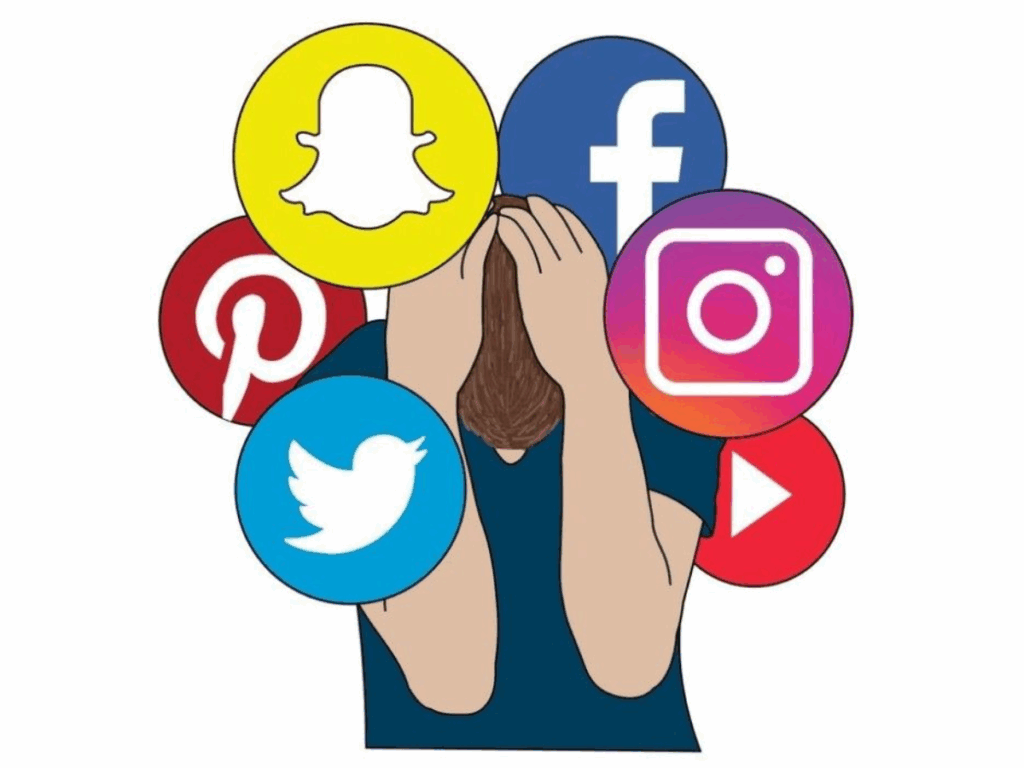
In today’s digital age, social media has become a significant part of our daily lives. From staying connected with loved ones to discovering trends and building communities, platforms like Instagram, Facebook, Twitter have reshaped how we communicate and consume information. But while social media offers many benefits, it also comes with hidden costs—particularly to our mental health.
As we spend more time scrolling, liking, and sharing, it’s crucial to understand the psychological effects of constant connectivity and how to set healthy boundaries to safeguard our emotional well-being.
The Double-Edged Sword of Social Media
Social media is not inherently harmful. In fact, it can be incredibly uplifting when used in moderation. It enables self-expression, offers support groups, spreads awareness, and connects people across the globe. However, the darker side of social media includes comparison, cyberbullying, low self-esteem, and digital fatigue—all of which can contribute to increased stress, anxiety, and even depression.
The curated perfection seen in photos and videos often leads people to compare their lives with those of others, fueling feelings of inadequacy. What users see online is rarely the full picture—yet our brains often treat it as reality. This distortion can create a constant pressure to appear successful, happy, and productive, even when we’re struggling inside.
Signs That Social Media May Be Impacting Your Mental Health
Not everyone is affected the same way by social media. However, here are a few red flags that might indicate it’s taking a toll on your mental health:
- Feeling anxious or restless when you’re not checking your phone
- Constantly comparing your appearance, lifestyle, or achievements to others
- Experiencing low mood or self-esteem after scrolling
- Losing sleep due to late-night scrolling sessions
- Feeling isolated despite constant online interactions
- Engaging in negative self-talk triggered by online content
If these patterns sound familiar, it may be time to evaluate your social media habits and introduce boundaries.
Why Social Media Can Intensify Anxiety and Depression
Social media platforms are designed to keep users engaged. The dopamine hit you get from a like or comment can make scrolling addictive. Over time, these platforms can foster a state of hyper-vigilance, where you’re constantly checking for updates or fearing you’re missing out (a phenomenon known as FOMO). This constant stimulation can disrupt your focus, sleep patterns, and self-worth—key factors in mental health stability.
Moreover, the algorithms that determine what we see are designed to promote engaging content—not necessarily accurate or healthy content. Exposure to negative news, polarizing opinions, or unrealistic standards of beauty and success can further exacerbate feelings of anxiety and depression.
Strategies to Protect Your Mental Well-being Online
The goal isn’t to quit social media entirely, but rather to use it mindfully and intentionally. Here are some practical strategies to protect your peace while staying connected:
1. Limit Screen Time
Set time limits for each platform or use app blockers to restrict usage. Even 30–60 minutes less per day can make a noticeable difference.
2. Curate Your Feed
Unfollow accounts that make you feel inadequate or anxious. Follow pages that promote positivity, education, or mental wellness instead.
3. Avoid Scrolling Before Bed
Blue light and information overload right before sleep can disrupt your circadian rhythm and increase nighttime anxiety. Try a digital detox at least an hour before bed.
4. Practice Digital Mindfulness
Ask yourself why you’re logging in—is it boredom, stress, or loneliness? Recognizing your emotional triggers helps you respond with healthier habits.
5. Engage Authentically
Use social media to connect, not just consume. Comment, message, or share real experiences. Build supportive online relationships rather than passive ones.
6. Take Regular Social Media Breaks
Whether it’s a few hours a day or a full weekend detox, giving your brain a break from the noise can help reset your mental state.
When to Seek Help
If you find that social media is significantly affecting your mood, relationships, or daily functioning, it may be time to talk to a mental health professional. A therapist can help you explore the root of your feelings, develop coping strategies, and rebuild a healthy sense of self beyond the screen.
Summary
In our hyperconnected world, social media is here to stay. But that doesn’t mean it should have free rein over your mind. By becoming more aware of its impact and implementing healthy boundaries, you can enjoy the benefits of online engagement without sacrificing your peace of mind.
If you’re struggling with anxiety, low self-esteem, or social media burnout, professional support can make a big difference. At Cognivia Psychiatry, Dr. Neha Gupta a trusted psychiatrist in Pune and PCMC, specializes in helping individuals manage digital-age mental health challenges using evidence-based therapies. Reach out today and take the first step toward a balanced, peaceful life—both online and offline.
Recent Posts
-
 Why Alcohol and Nicotine Addiction Often Begin as Emotional Escape Mechanisms During Stressful Phases of Life
 -
 Still Confusing ADHD with Poor Discipline While Attention Disorders Continue Impacting Children’s Development
 -
 Why ADHD in Adults Often Goes Unnoticed Until Career, Relationships, and Emotional Stability Start Suffering
 -
 Struggling to Handle Teen Mood Swings and Attention Problems While Emotional Health Continues Getting Affected
 -
 Why Many Intelligent Children Continue Struggling in School Due to Undiagnosed Attention and Focus Disorders