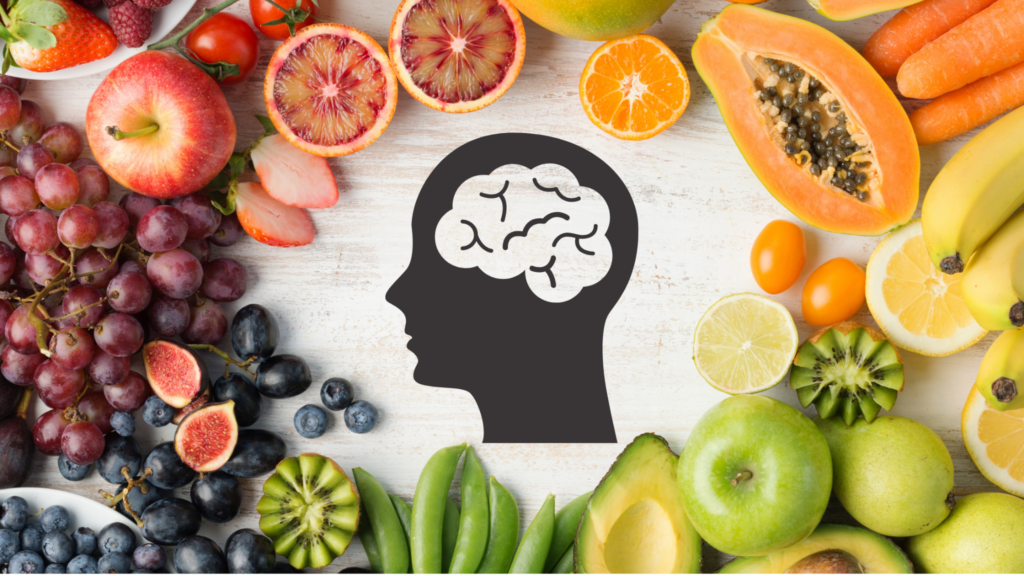
Mental health is deeply influenced by many factors—genetics, environment, lifestyle, and increasingly recognized, nutrition. What we eat doesn’t just affect our physical health; it plays a crucial role in how we think, feel, and cope with daily life. Emerging research in nutritional psychiatry highlights how diet can impact mood, cognition, and even the risk of mental health disorders.
- The Brain–Gut Connection
The gut and brain are closely linked through what is known as the gut-brain axis. The gut contains millions of neurons and produces many neurotransmitters, including serotonin—often referred to as the “feel-good” chemical.
A healthy gut microbiome supports:
- Better mood regulation
- Reduced anxiety and depression symptoms
- Improved cognitive functioning
On the other hand, poor dietary habits can disrupt this balance, leading to inflammation and emotional instability.
- Nutrients That Support Mental Health
Certain nutrients are essential for optimal brain function:
- Omega-3 fatty acids (found in fish, walnuts): Help reduce symptoms of depression
- B vitamins (whole grains, leafy greens): Support energy and brain function
- Vitamin D (sunlight, fortified foods): Linked to mood regulation
- Magnesium (nuts, seeds): Helps manage stress and anxiety
- Protein: Provides amino acids needed for neurotransmitter production
A deficiency in these nutrients may contribute to fatigue, irritability, and mood disorders.
- The Impact of Processed Foods
Diets high in processed foods, sugar, and unhealthy fats have been associated with:
- Increased risk of depression and anxiety
- Poor concentration and memory
- Energy crashes and mood swings
These foods can trigger inflammation and negatively affect brain function over time.
- The Role of Balanced Eating
Maintaining a balanced diet with whole, nutrient-dense foods can significantly improve mental well-being. This includes:
- Fresh fruits and vegetables
- Whole grains
- Lean proteins
- Healthy fats
Regular meals also help stabilize blood sugar levels, preventing mood fluctuations and irritability.
- Emotional Eating and Mental Health
Stress, anxiety, and depression often influence eating habits. Some individuals may overeat for comfort, while others may lose their appetite. Recognizing these patterns is important for developing healthier coping mechanisms.
Mindful eating and professional guidance can help restore a balanced relationship with food.
- When to Seek Help
If you notice persistent mood changes, low energy, or unhealthy eating patterns affecting your daily life, it may be time to consult a mental health professional. Nutrition is just one part of a comprehensive approach to mental wellness.
Conclusion
The connection between nutrition and mental health is undeniable. A well-balanced diet not only fuels the body but also nurtures the mind. By making conscious food choices, you can support emotional stability, enhance cognitive function, and improve overall quality of life.
If you or your loved ones are struggling with mental health concerns, professional help is available at Cognivia Psychiatry.
Emergency Line: +91-9156999844
Location: Cognivia Psychiatry,
Unit no. 405, Shree Ganesh Ace Arcade, Above Mahindra showroom,
Opposite Mirchandani Palms,
Pimple Saudagar, Pune 411017.
Recent Posts
-
 Why Alcohol and Nicotine Addiction Often Begin as Emotional Escape Mechanisms During Stressful Phases of Life
 -
 Still Confusing ADHD with Poor Discipline While Attention Disorders Continue Impacting Children’s Development
 -
 Why ADHD in Adults Often Goes Unnoticed Until Career, Relationships, and Emotional Stability Start Suffering
 -
 Struggling to Handle Teen Mood Swings and Attention Problems While Emotional Health Continues Getting Affected
 -
 Why Many Intelligent Children Continue Struggling in School Due to Undiagnosed Attention and Focus Disorders