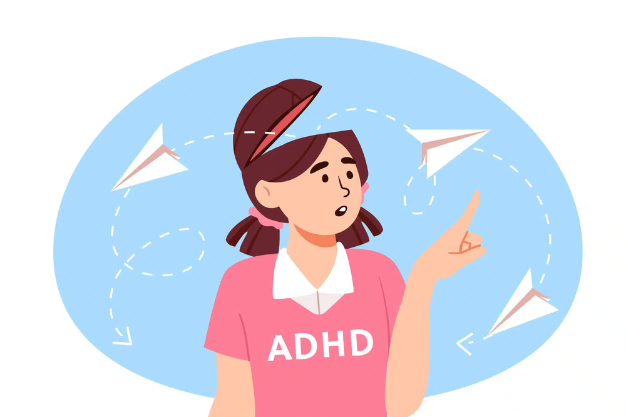
Do you or your child ever find it difficult to focus, get restless all the time, or act without considering the consequences? Although all individuals have these situations now and then, to some people, these difficulties become a recurring daily struggle. Perhaps this is Attention-Deficit/Hyperactivity Disorder (ADHD), an ordinary yet ordinary-misconceived mental condition.
The Real Life with ADHD –
Picture attempting to focus on a task while your mind runs in a dozen different directions simultaneously. For an individual with ADHD, this is frequently the way it is—every day. Whether it is a student who can’t seem to stay seated in his or her chair in class or a grown-up bogged down by emails and deadlines, the experience can be tiring and maddening.
ADHD is not about being hyperactive or easily distracted. It is a disorder of the brain that affects how someone focuses, regulates their impulses, and manages everyday tasks. If left undiagnosed, it will get in the way of school, work, relationships, and self-esteem.
How ADHD Appears at Various Stages –
The symptoms of ADHD differ for each person and by age. In children, they tend to be more obvious, twitching around, talking too much, or having trouble finishing homework. In adults, the symptoms are more covert but no less debilitating: forgetting appointments, missing deadlines, running out of mental energy, or having trouble staying on track in meetings.
There are three primary subtypes of ADHD:
Inattentive Type: Frequent indicator of forgetfulness, lack of concentration, and easily distracted
Hyperactive-Impulsive Type: Characterized by restlessness, excessive talking, and acting without consideration
Combined Type: Both inattentive and hyperactive-impulsive symptoms combined
The ADHD child is often labeled as “naughty” or “undisciplined,” whereas the adult is likely to blame themselves for not being able to work or get things in order. But these habits have nothing to do with laziness—instead, they are a function of the way the brain is hardwired.
What Causes ADHD?
The precise cause of ADHD is not yet known, but science identifies several contributing factors. Genetics is a big factor, as the condition tends to run in families. Brain development differences, neurotransmitter levels, and frontal lobe functioning (which controls decision-making and attention) are also factors. Other risk factors include premature birth, low birth weight, and exposure to toxins during pregnancy.
What’s key to remember is that ADHD is not a product of bad parenting or excessive screen time. It’s a medical condition—and as with any other health concern, it’s worthy of attention and care.
The Power of Diagnosis –
Most individuals with ADHD spend years being “different” without having any idea why. An accurate diagnosis can be a life-changer. Whether it is a child who is struggling at school or an adult who is having trouble at work or in relationships, gaining clarity through evaluation will help understand what’s really happening under the radar.
A psychiatrist will examine symptoms, personal history, and patterns of behavior. For children, parents and teachers are consulted as well. Adults will share long-standing difficulties with attention or regulating emotions that have accompanied them since childhood.
Having ADHD: There Is Hope –
After diagnosis, there is ADHD treatment that can help. Treatment isn’t like following a recipe—it’s personalized to the person’s age, lifestyle, and specific needs.
Medication is also used to control attention and impulse. There are stimulant and non-stimulant choices, depending on what works best for the individual. Furthermore, behavioral therapies are very effective, particularly in children, to assist them in developing improved routines and social skills.
For adults, cognitive behavioral therapy is effective in managing time, self-esteem, and coping. Changes in lifestyle—such as structured routine, exercise, mindfulness techniques, and sleep hygiene—are also important.
With proper support, individuals with ADHD not only manage but excel. Many become very successful in creative pursuits, business, and problem-solving professions, where thinking differently is an advantage.
Summary –
ADHD is not an early childhood illness or a temporary phase. It’s an actual, long-term condition that impacts the way people think, behave, and interact with the world around them. But with timely identification and proper strategy, living with ADHD can be productive and empowered. Diagnosis provides insight; treatment provides mastery.
If you or your child is having trouble with concentration, impulsiveness, or fidgeting that disrupts everyday life, don’t wait until things get out of hand. Improvement is on the horizon, and help is within reach.
Consult Dr. Neha Gupta, one of Pune’s top psychiatrists, with special experience in the diagnosis and treatment of ADHD, mood disorders, anxiety, and behavioral problems in children and adults. With her empathetic and evidence-based practice, Dr. Neha assists people in understanding their minds better—and leads them to lasting mental well-being.
Recent Posts
-
 Why Alcohol and Nicotine Addiction Often Begin as Emotional Escape Mechanisms During Stressful Phases of Life
 -
 Still Confusing ADHD with Poor Discipline While Attention Disorders Continue Impacting Children’s Development
 -
 Why ADHD in Adults Often Goes Unnoticed Until Career, Relationships, and Emotional Stability Start Suffering
 -
 Struggling to Handle Teen Mood Swings and Attention Problems While Emotional Health Continues Getting Affected
 -
 Why Many Intelligent Children Continue Struggling in School Due to Undiagnosed Attention and Focus Disorders